Din Tai Fung Emporium

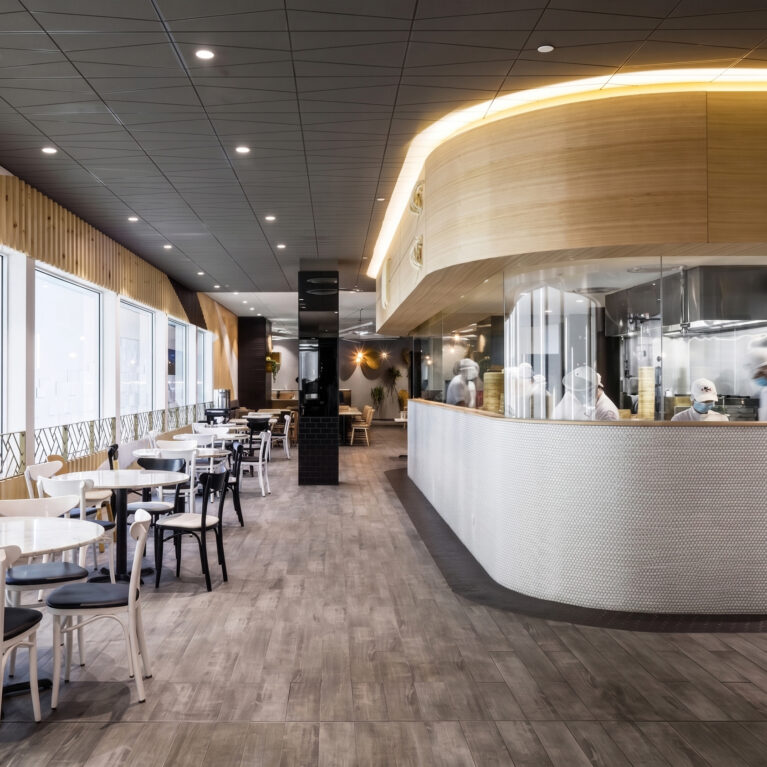
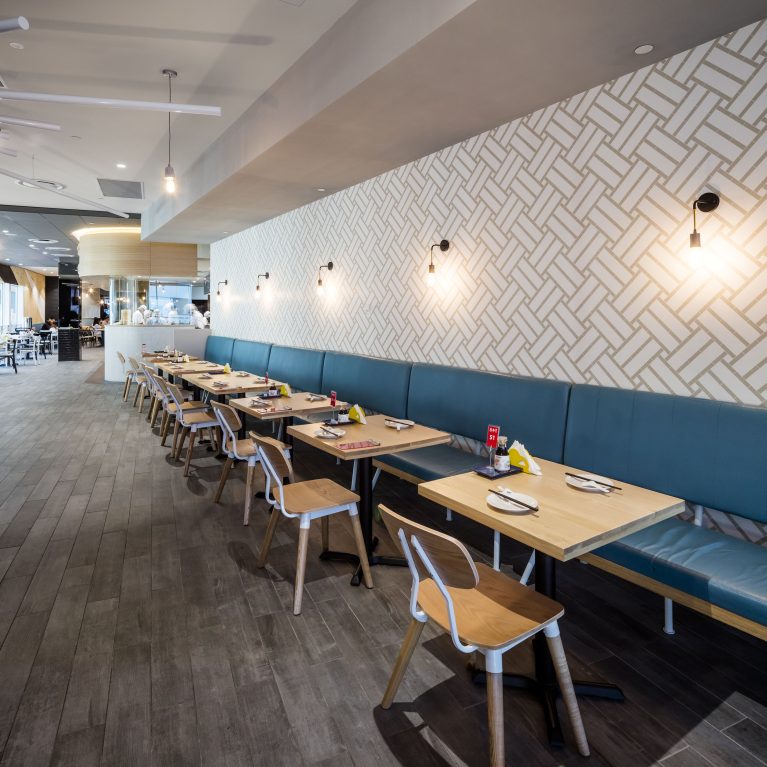
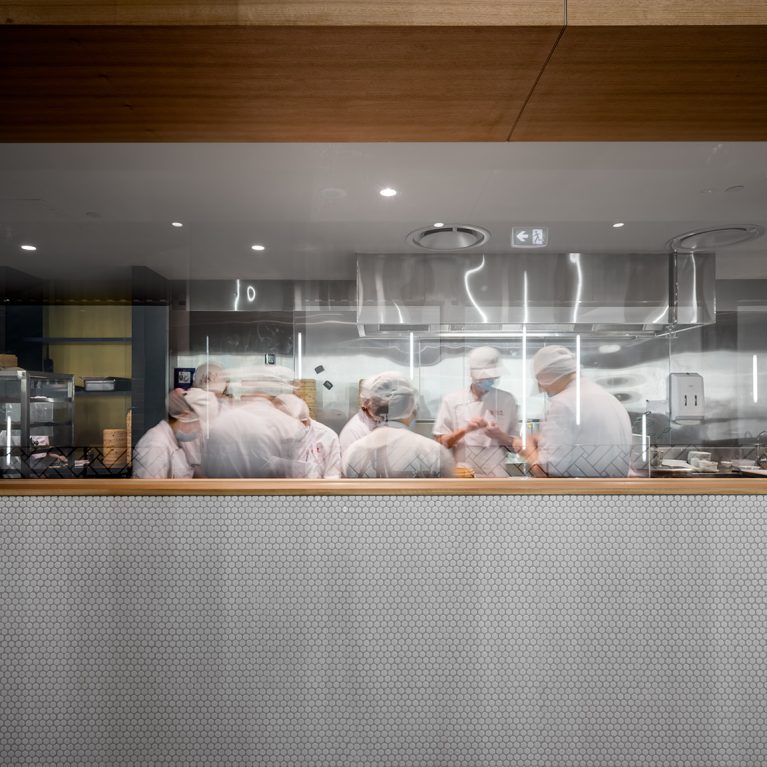
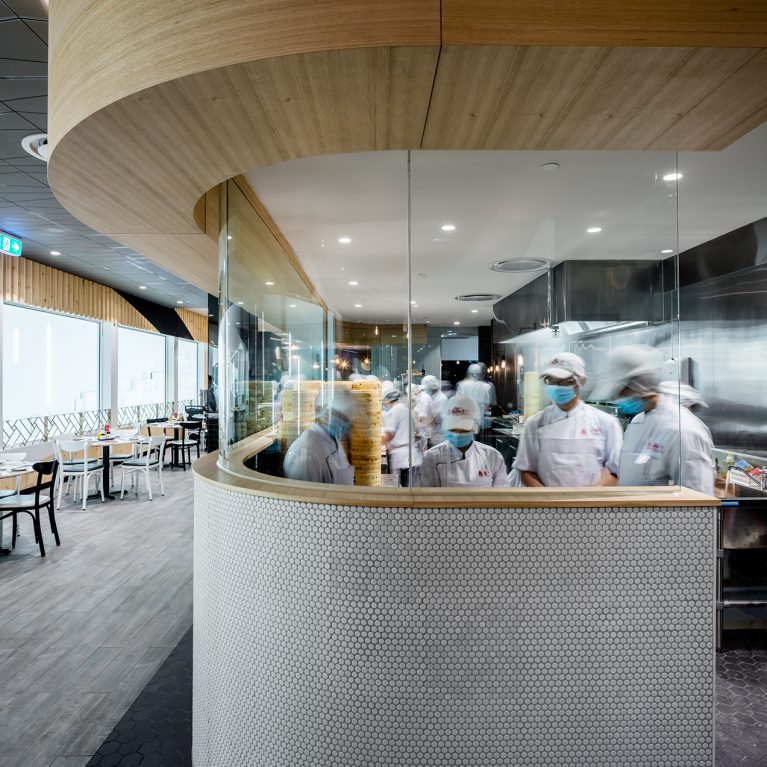
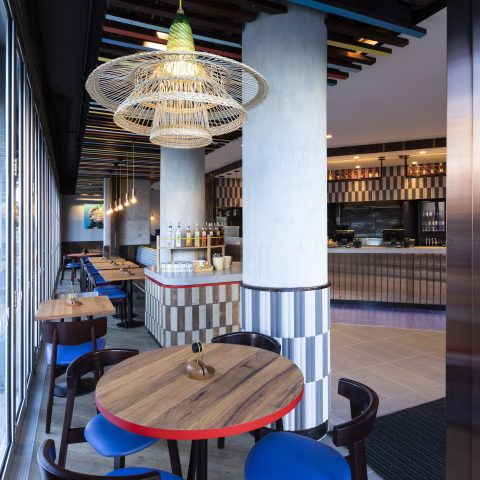
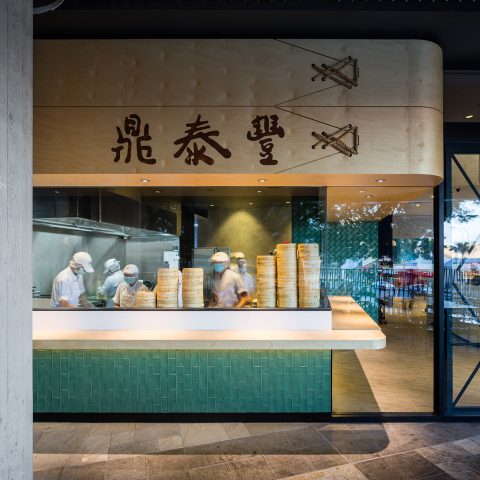
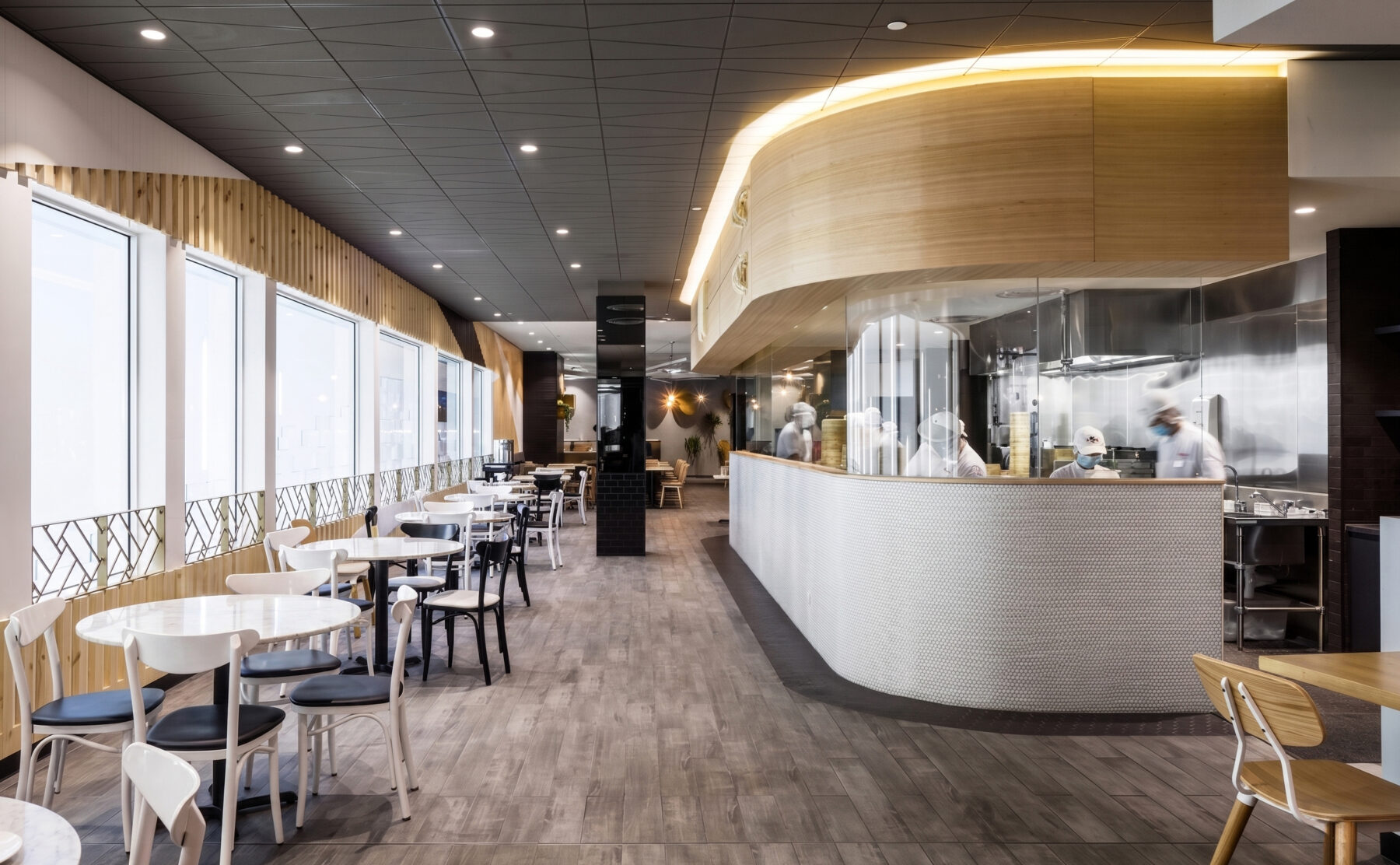
A commercial restaurant design highlighting an open show kitchen with glass panels, curved timber bulkheads, linear window seating tables, and textured grey floor tiling.

Concept Based on the Ying-Yang Philosophy

Din Tai Fung’s Melbourne restaurant demonstrated how the company, arguably the world’s most famous dumpling specialists, is leveraging innovative design concepts and space usage, to maintain their market-leading position in the Australian restaurant industry.

Famous for their crowds and queues, Din Tai Fung’s 235-seat restaurant occupies a major part of the fourth level of Emporium Melbourne, sharing the street entry with an exclusive gym for the guilty ones to visit after they feast.

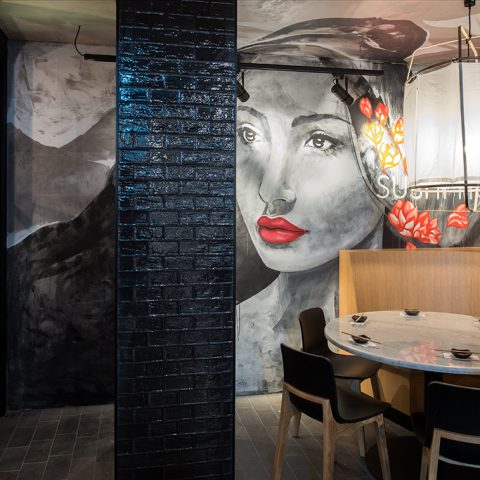
Brainchild of Sydney and Melbourne based hospitality interior design specialists, Design Clarity, the concept is centred on the Chinese philosophy of yin-yang; opposite or contrary forces that are actually complementary in the natural world.

“We represented these in the furniture, materiality and interior architecture of this design and they are reflected as complementary yet opposing elements that form a subconscious balanced environment.”

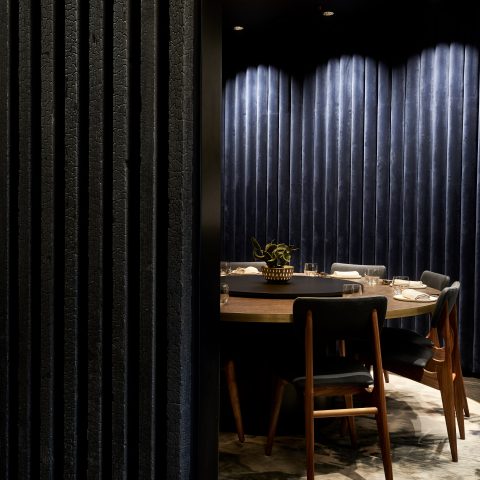
The restaurant still holds Din Tai Fung’s signature glass enclosed dumpling show kitchen but also includes a series of self-contained VIP rooms to cater for the Melbourne CBD diners.

Managing Director, Dendy Harjanto said: “This is our third fit out by Design Clarity and we’re very happy with the results. We pride ourselves on offering the best restaurant experience within the dumpling market, and we’re thrilled that our restaurants and their ambiance match the same highest quality as our food.”
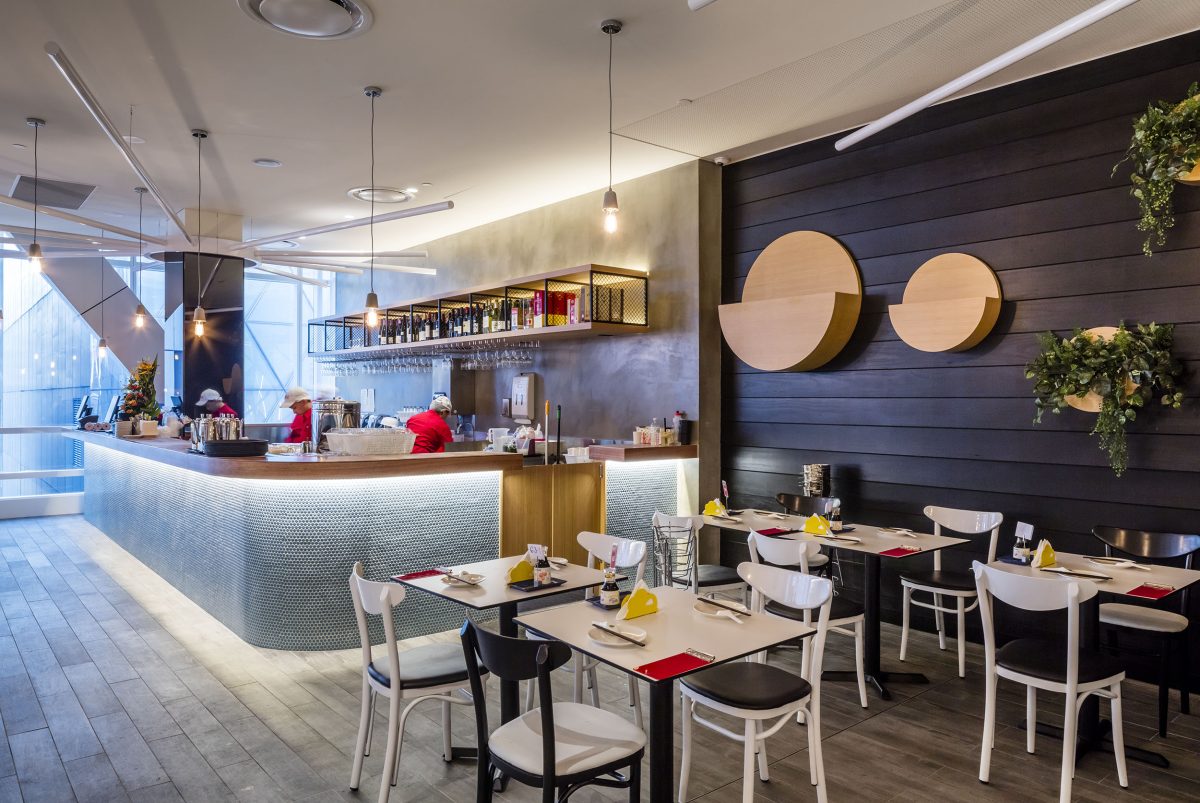
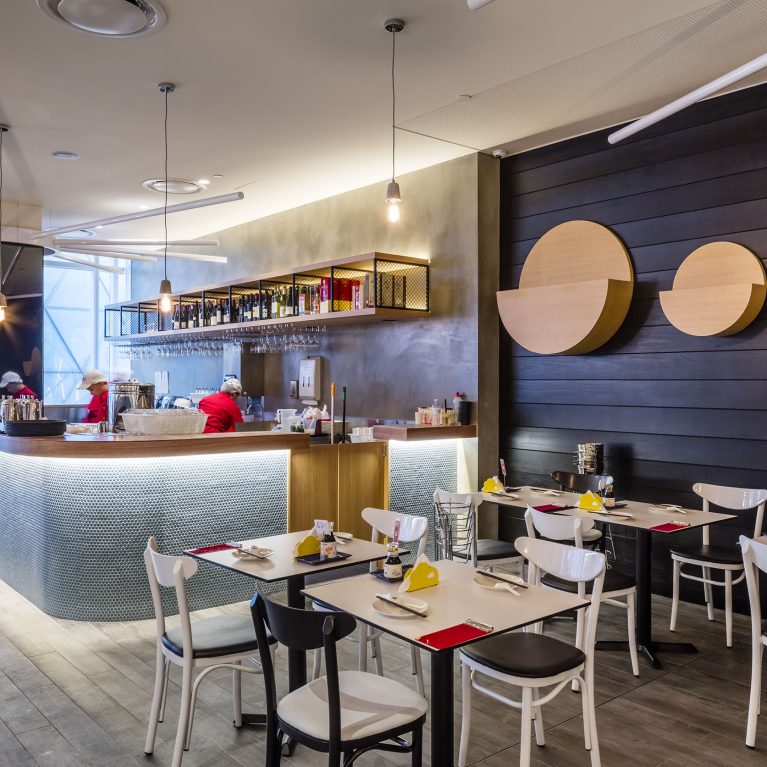
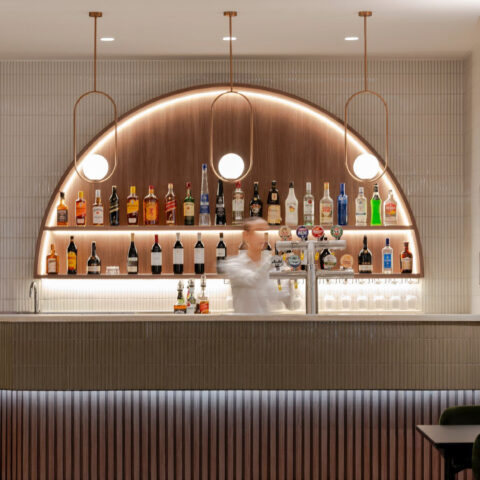
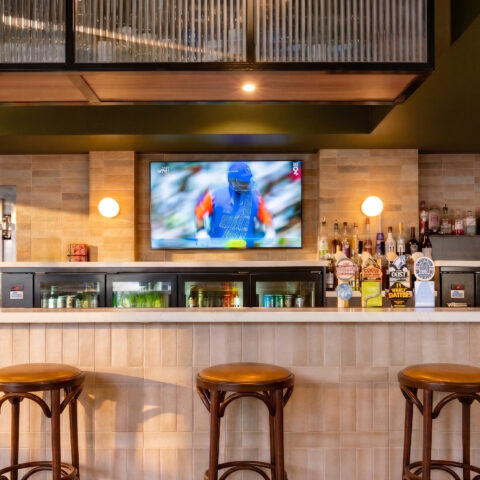
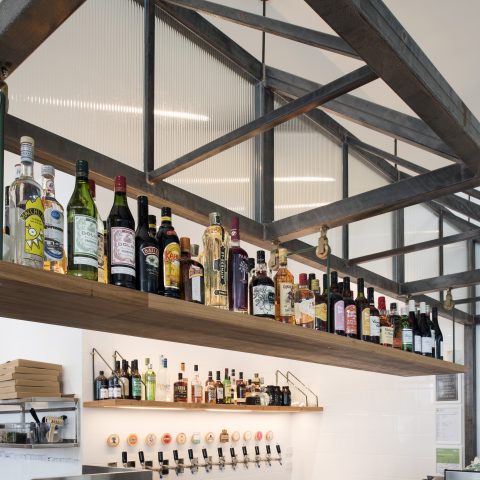
The bar and beverage zone acts as a secondary architectural focal point, balancing bright, functional workstation lighting with a moody, deeply textured backdrop that defines the edge of the general dining floor.

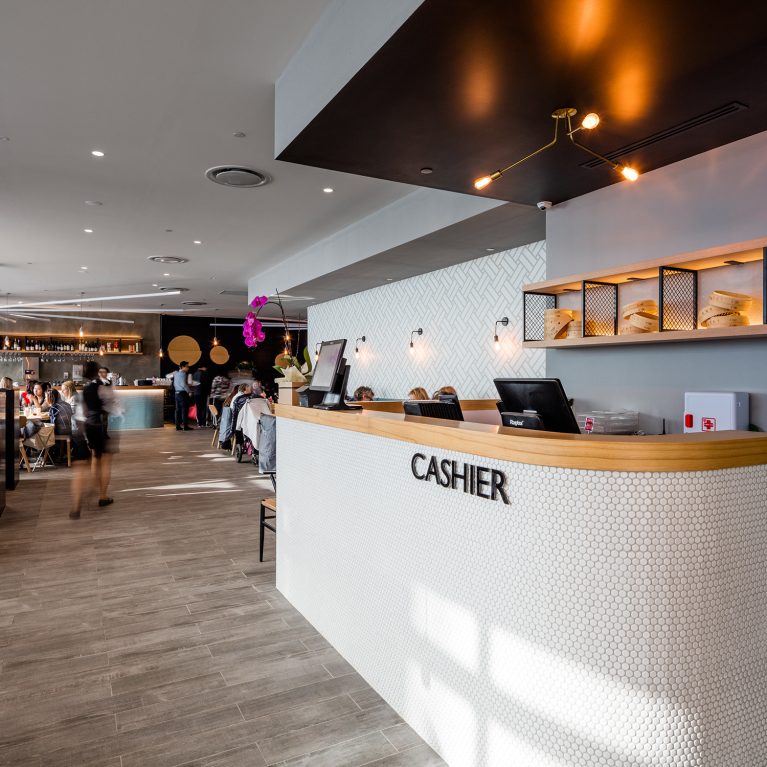
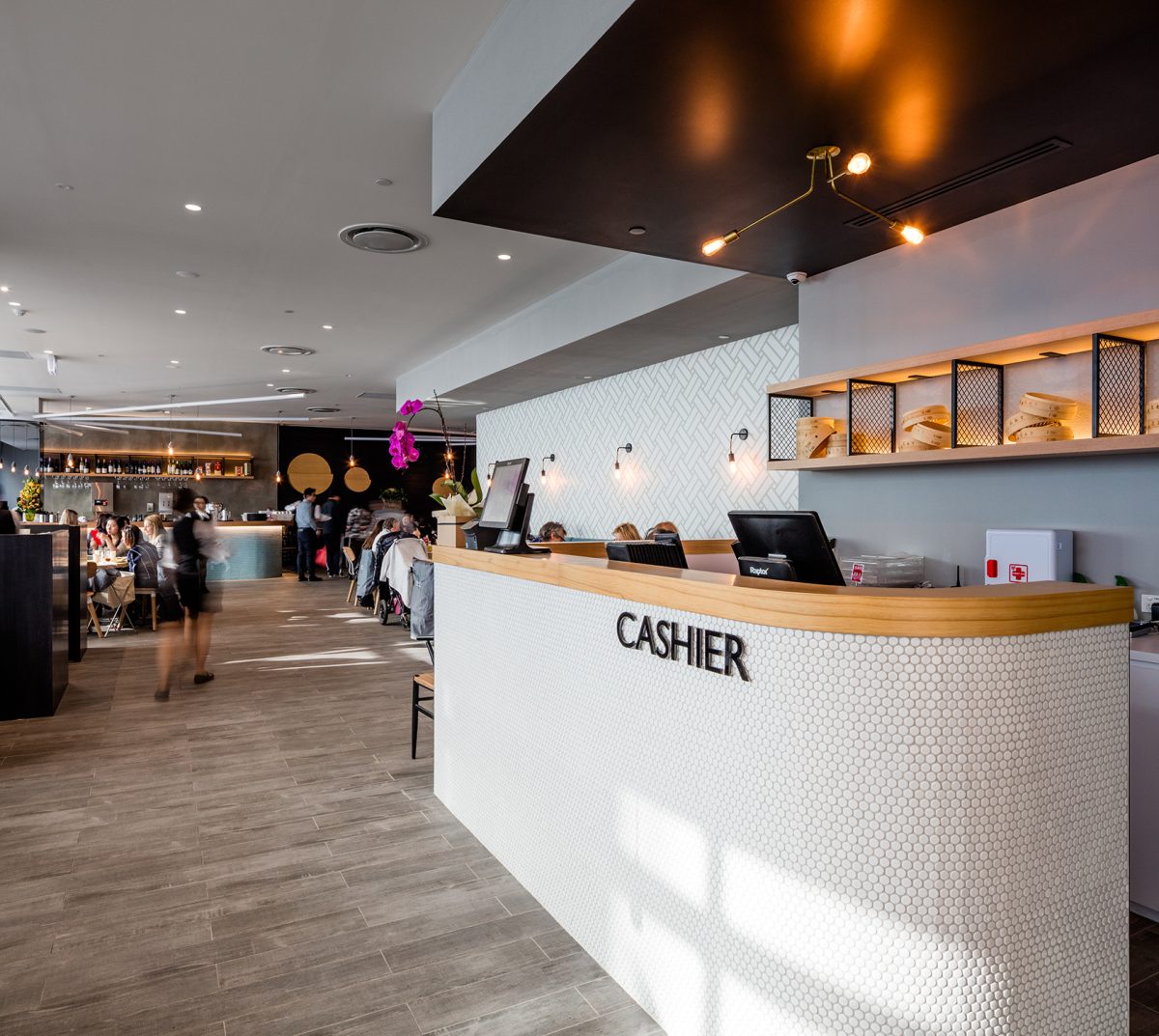
The front-of-house greeting station manages critical arrival and payment logistics through a custom-built, highly visible service desk, setting a refined and organized material tone at the venue's primary transition point.

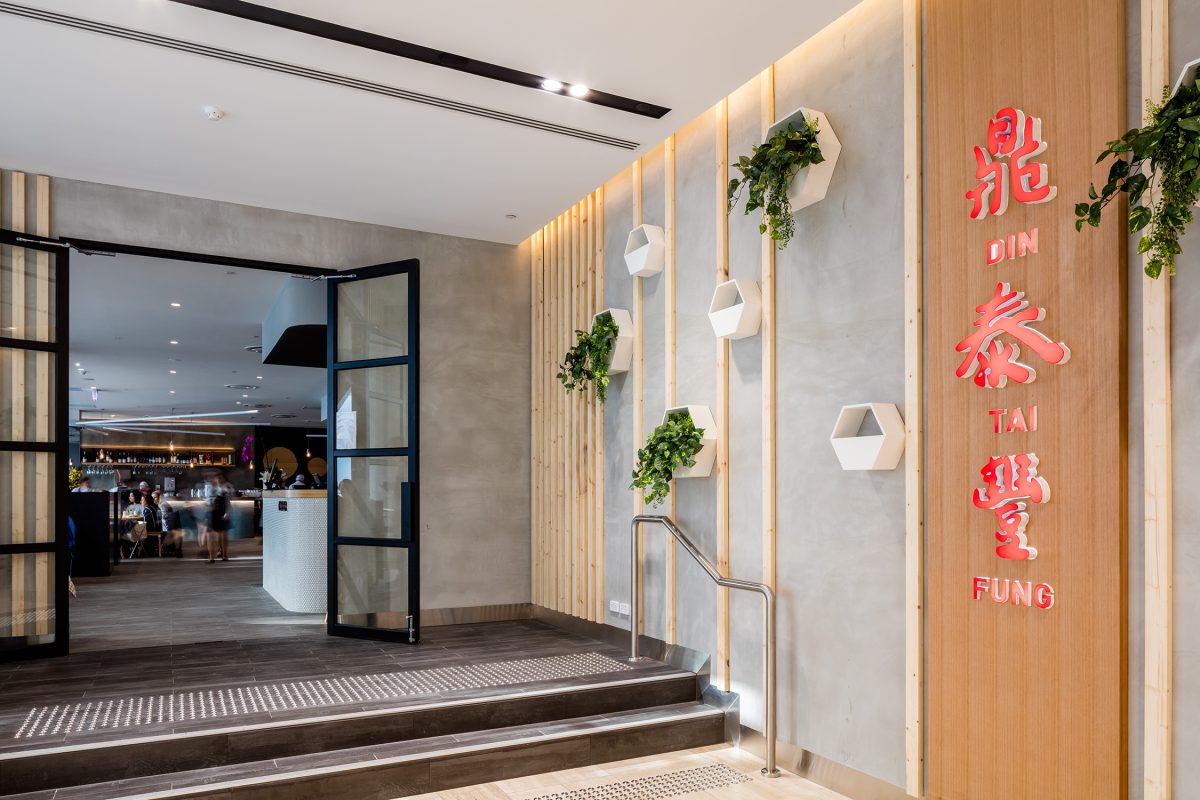
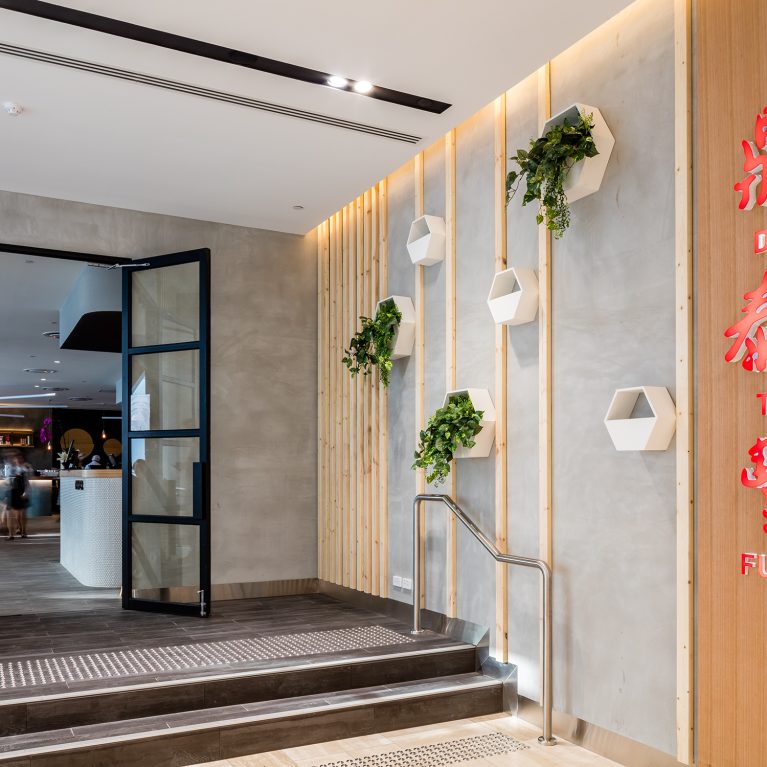
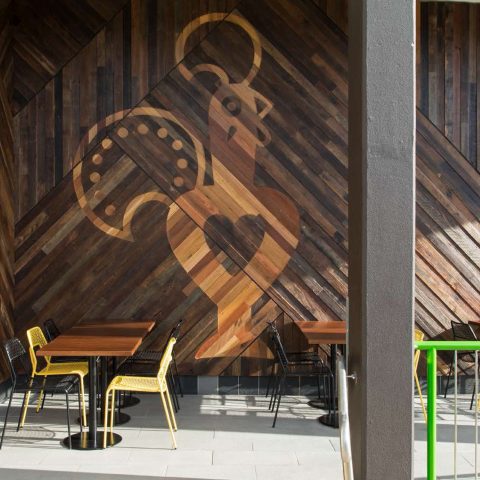
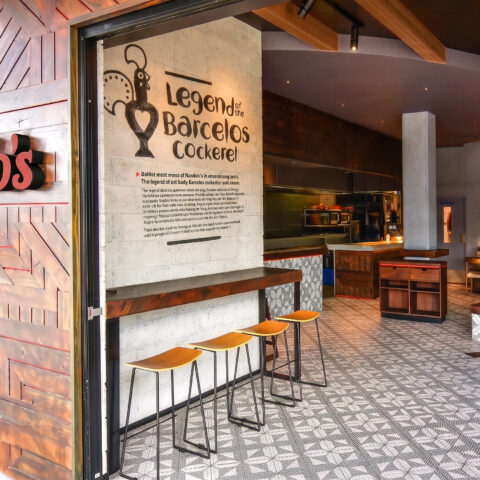
The restaurant threshold features a high-impact architectural entryway that blends industrial concrete materials with natural timber elements, immediately immersing arriving guests in the brand's contemporary design identity before they step onto the dining floor.

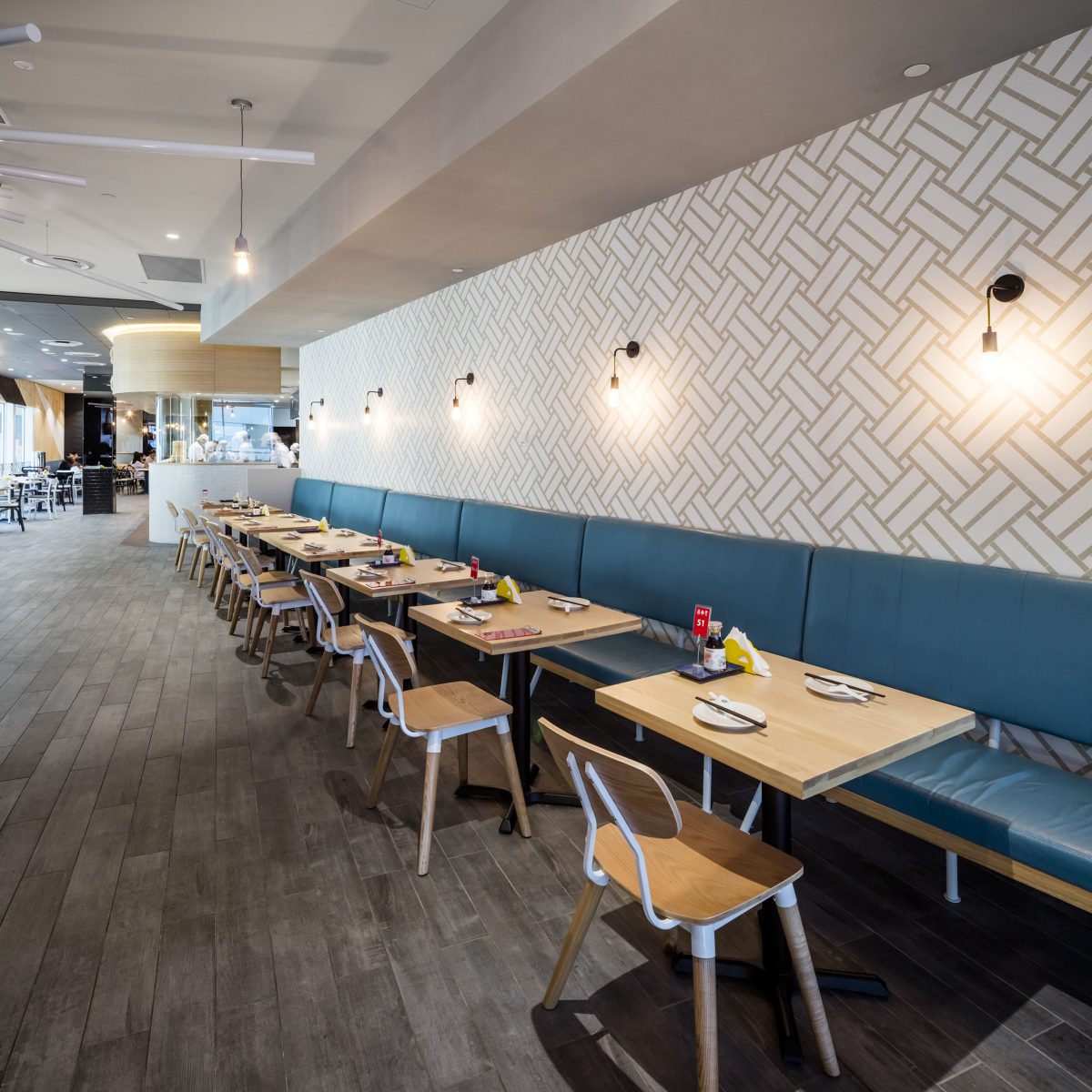
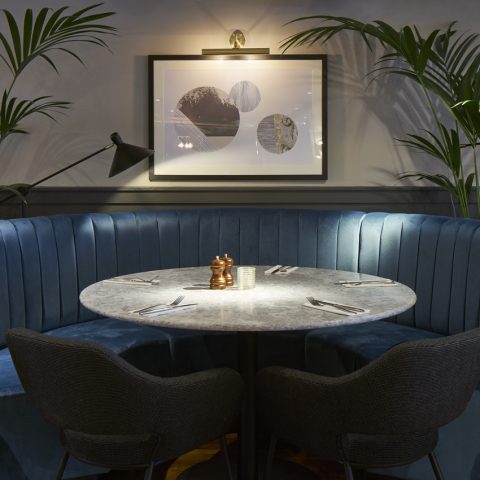
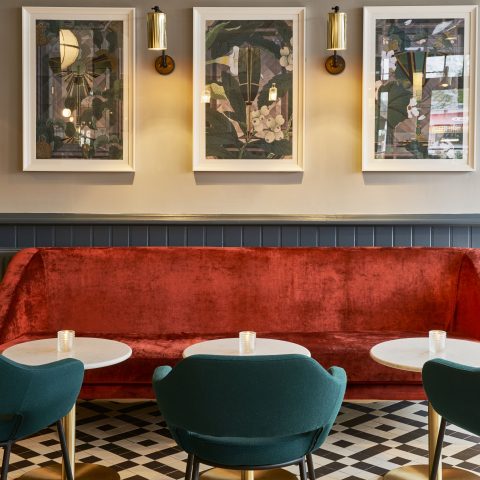
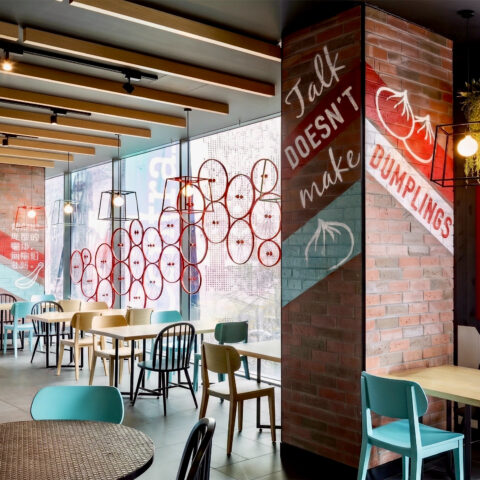
The spatial engineering maximizes long-format structural perimeters by integrating continuous, high-density booth configurations that anchor the secondary dining aisle, balancing active thoroughfare movement with comfortable, closely grouped table settings.

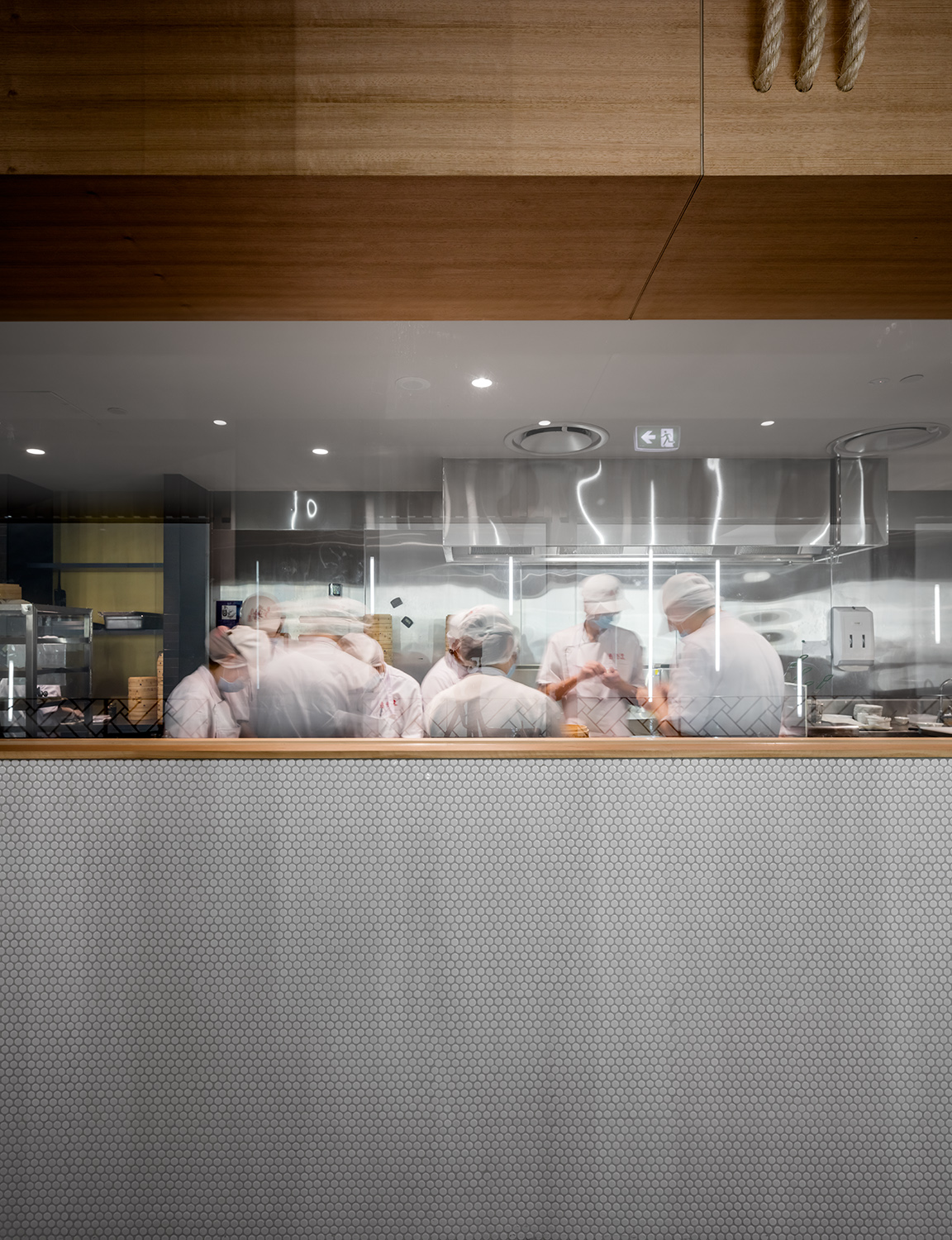
The architectural kitchen pass establishes an immediate visual connection between the guests and the culinary process, using highly hygienic commercial surfaces and clear viewing screens to highlight precision food preparation while maintaining operational separation.

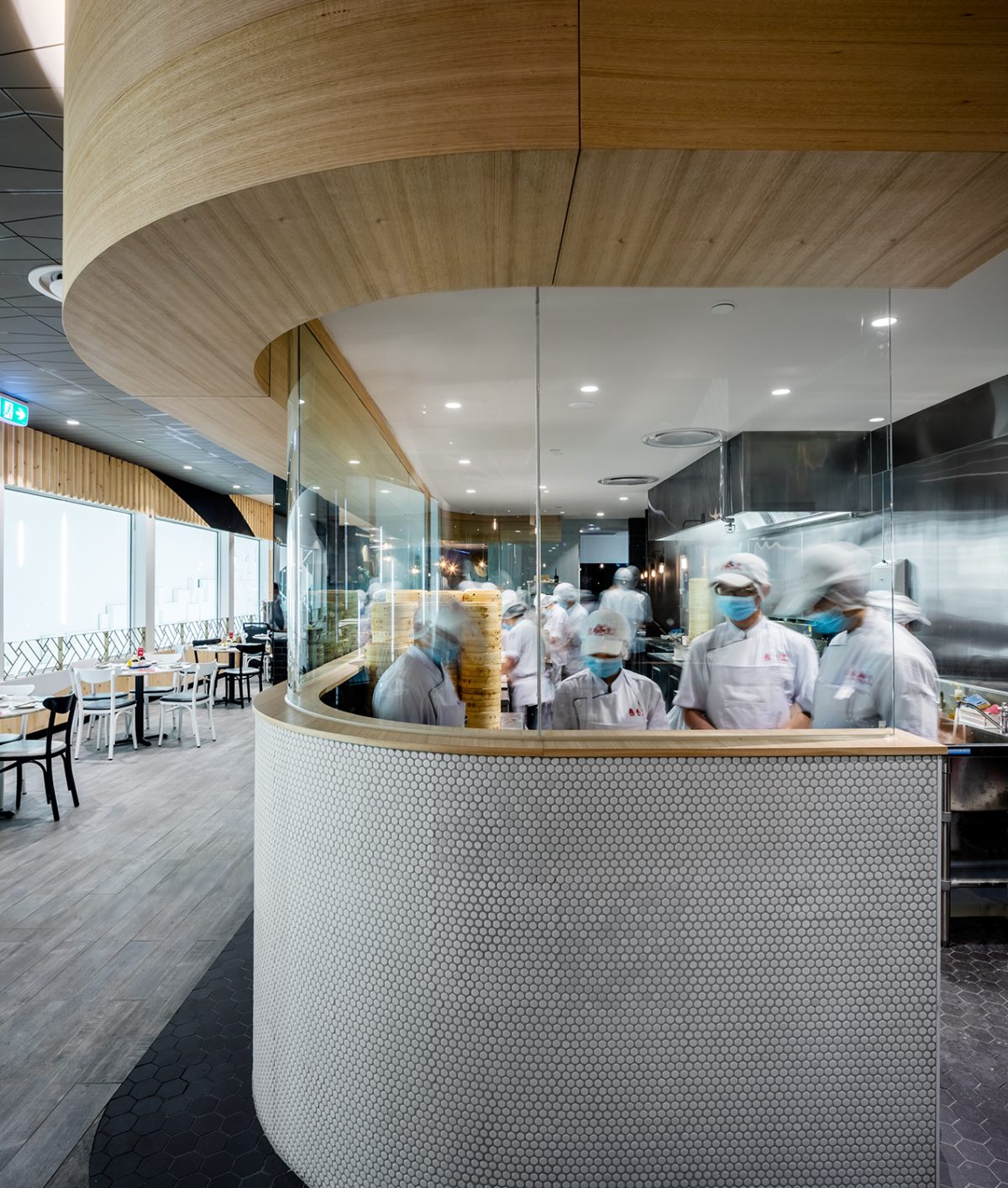
The architectural perimeter utilizing a dramatic, radiused glass wall forms a central dynamic element within the floor layout, defining the main circulation path while framing internal kitchen activities through custom curved geometric profiles.