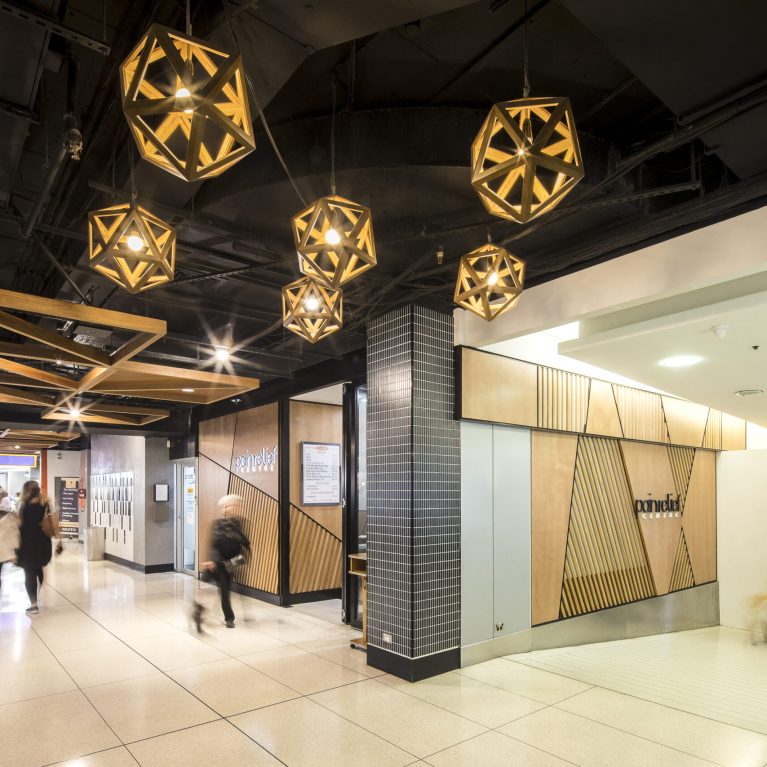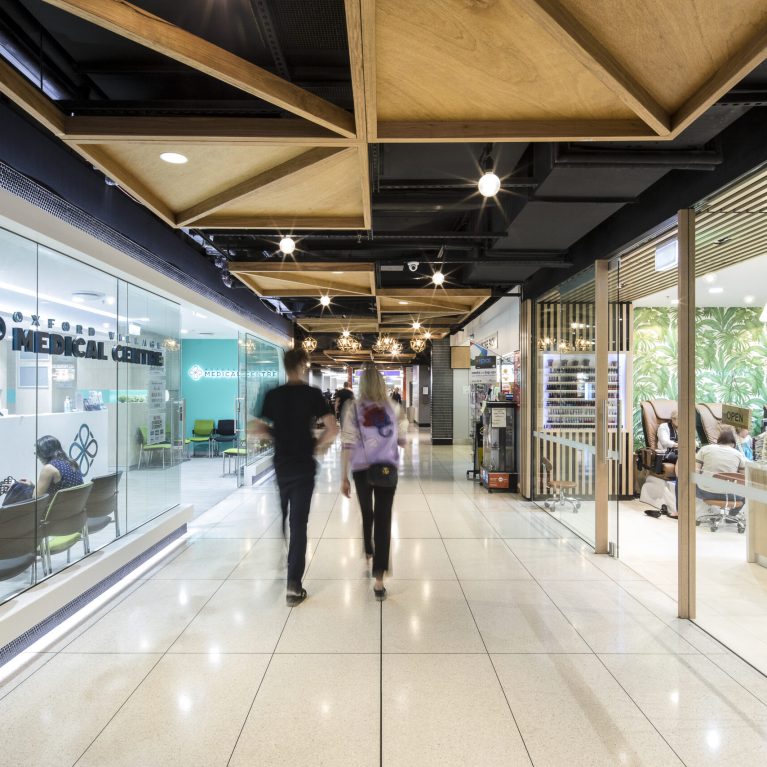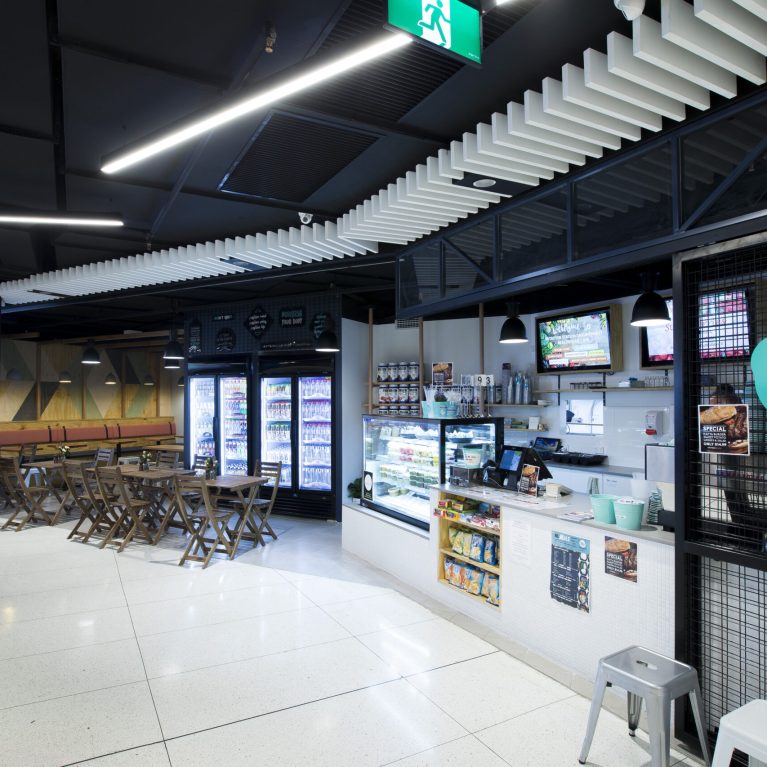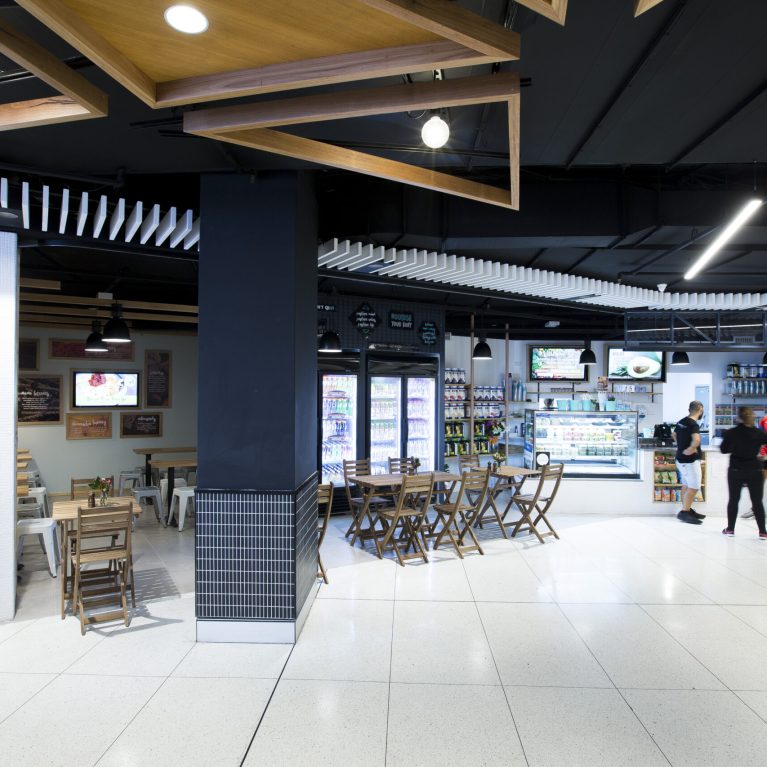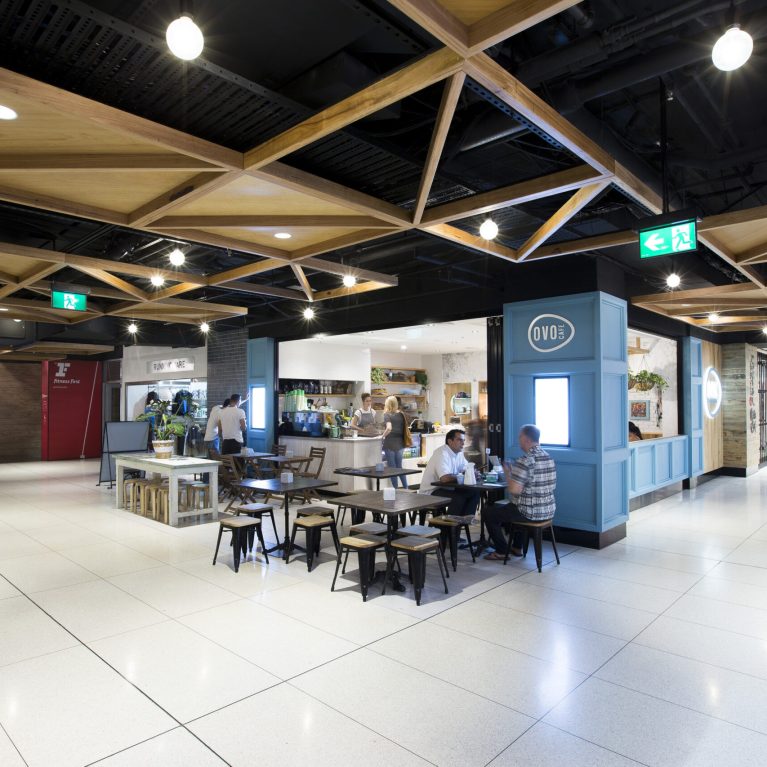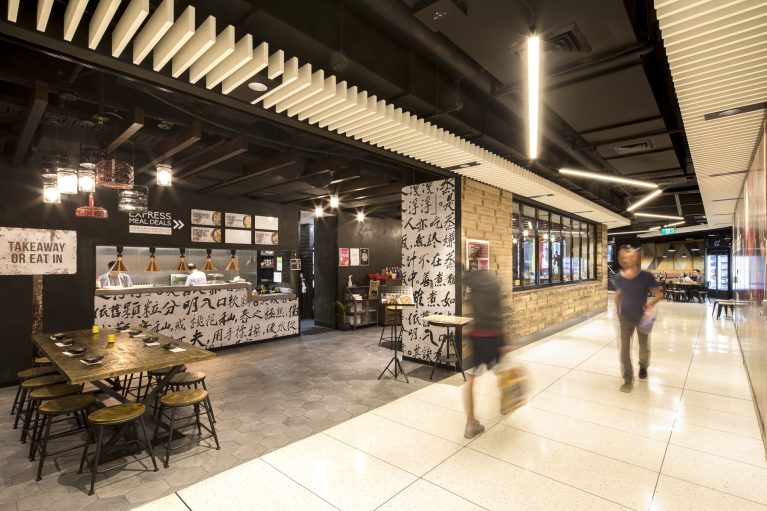
The food court upgrade at Oxford Village required meticulous control over multiple moving parts: diverse operator briefs, legacy conditions, tight services zones and a refreshed identity framework. Design Clarity’s RDM services translated these competing demands into a coherent, buildable outcome that elevated the precinct without imposing unnecessary burden on tenants.
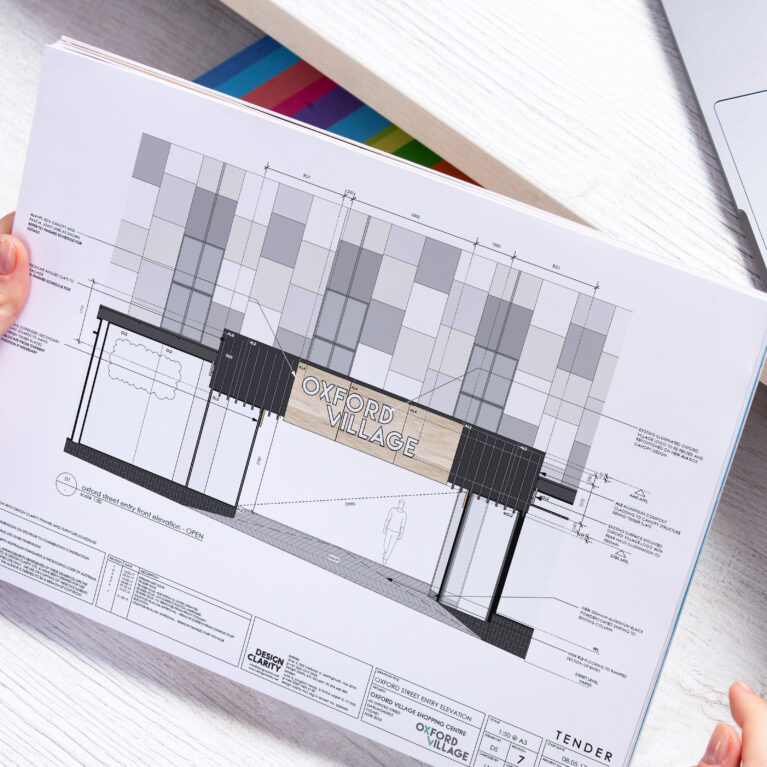
The tenancy interfaces shown here reflect months of structured RDM oversight. Design Clarity reviewed every shopfront proposal against the centre-wide design guidelines, ensuring material choices, signage formats, lighting strategies and accessibility standards all met the agreed compliance envelope.
Much of the work unfolded behind the scenes: coordinating base-building services so each tenant could achieve extraction, power and data requirements; reconciling ceiling grids and soffits with contrasting brand expressions; and managing the approval pathway so operators received clear, unambiguous directives rather than conflicting instructions from multiple stakeholders.
The result is a food court that feels unified yet tenant-distinct. RDM intervention safeguarded consistency of linework, datum heights, lighting temperatures and circulation logic—details that collectively uphold the design vision while keeping operational pragmatics front and centre.